
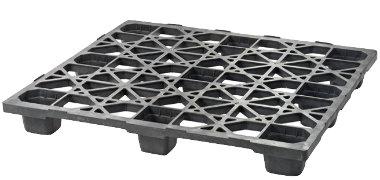
Find the right plastic pallet

Select from the options below to zero in on your ideal pallet configuration.

Application use case

Export
One-Way
Multi-Trip
Warehouse
Bulk Bag
Pharma
FDA Blue

Condition

Size inches

42×42 43×43 45×45 48×32 48×40 48×45 48×48 56×44 Other…

Style structure and storage type

Nestable Stackable Rackable

Load Rating pounds (optional)

Dynamic

Weight supported in motion (forklift, pallet jack, conveyor).

Up to 1,5001,500 – 4,000Over 4,000
Static

Weight supported at rest (or bottom pallet when stacked 2–3 high).

Up to 3,5003,500 – 8,0008,000 – 18,000Over 18,000
Racking

Weight supported in unsupported rack (edge racking).

Up to 1,5001,500–2,800Over 2,800
Looking for wood pallets?  ·  Looking for more filters? match Clear all

Request a Match

A few quick taps and we'll match it.

Tell us a little about the job, drop your details, and a Nelson rep takes it from there — matching the best available stock, new or used, from the closest warehouse.

A few quick questions

Plastic or wood pallet?
Wood Plastic
Load dims & weight (inches / lbs)
What's going on the pallet?
Siding / roofingRolls / reelsHigh-value equipmentIrregular / oversized itemsOther
Where is it going?
In-house / warehouseDomestic shippingExport overseasCold / freezer
Equipment used? (select all that apply)
Supported RackUnsupported RackForkliftPallet jackRiders / WalkiesConveyorPalletizer
How many?
Under 100100–500500–1,0001,000+
How often?
1 TimeRecurring
Anything else?

Where to send the match

No commitment — this starts a conversation, not an order.
Wood

Pallet Wood Species

2 Most Common Wood Species for Pallets and Why

The two most common wood types used for making pallets are southern yellow pine (SYP) and oak.

2 Most Common Wood Species for Pallets and Why
A pallet manufactured from southern yellow pine (SYP) can help lower costs.

A former study done by the USDA and Virginia Tech determined that SYP made up 18.9% of all woods used while oak made up 17.1% (by volume). Both oak and SYP actually contain several species that make up the woods classification which is based on the density of the wood.

Why Southern Yellow Pine?

Pine lumber is commonly used in pallets due to its availability and low cost. It also can be kiln dried and provides a clean product needed for many applications such as pharmaceutical or food-related industries.

Why Oak?

Oak is commonly used due to its strength and availability. While originally cut for more profitable markets, leftover oak lumber that doesn’t make a high enough grade for furniture is then used in pallet production. Oak is also one of the stronger hardwood species. Because of this strength, many customers have found that by using hardwood lumber, they can get by with less boards or thinner components on their pallets.

The current trend by many wooden pallet manufacturers is to not separate out pallet material by species, but rather by hardwood vs softwood.

Are you curious which type of wood species would be best for your pallets? Let’s connect below for help determining if hardwood or softwood is best for you.