

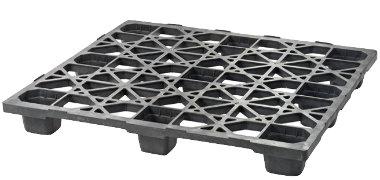


Standard Pallet Sizes
Industry Standard Pallet Sizes: A Complete List
The most popular standard pallet size in US inches is 48L x 40W.

How popular? The 48×40 accounts for approximately 30% of all wooden pallets produced each year.
The 48×40 standard was set by the Grocery Manufacturers Association (GMA) more than forty years ago. For this reason, you may hear it called a GMA pallet. But, not all 48×40 pallets are designed to GMA specs nor are they all used in the grocery industry. Interestingly, that’s true of most any “industry standard” pallet. Even though a pallet may have originally been standardized for a specific trade, its use is often not exclusive to that industry alone.
Most Popular US Pallet Sizes
You’ll notice many of the most popular sizes on this list are square pallets or nearly square. That’s simply physics. A square base can help to prevent load tipping. Below are ways you’ll most often see these popular pallet sizes used:
- 48×40 in Grocery and general warehouse
- 42×42 in Telecom; technical coatings and paint
- 48×48 in Fits four 55 gallon drums without overhang
- 40×48 in Military; cement bags and blocks
- 48×42 in Packaged chemicals and beverages
- 40×40 in Dairy, designed to fit stacked milk crates
- 48×45 in Automotive, meets AIAG specs
- 44×44 in Chemical drums and FIBC bulk bags
- 36×36 in Beverage, specifically Coke and Pepsi trucks
- 48×36 in Roofing and shingles; paper; beverage
Pallet Sizes for Exporting
The 1200×800 Euro pallet (you may see it labeled as EUR, EUR1 or EPAL) is Europe’s market leader by a landslide. Many European conveyor systems and other handling equipment cannot accept larger pallets. Ship in the wrong size and you may get hit with disposal and repacking fees. Many metric dimension pallets in use around Europe, Asia and other foreign locations are similar in dimensions to popular US pallets bringing us close to global pallet size standardization:
- 1200×800 mm (US 48×32) Most popular; designed to fit European trucks and machinery
- 1200×1000 mm (US 48×40) Computer warehouses and distribution centers
- 1140×1140 mm (US 45×45) Maximizes freight density for shipping containers
- 1100×1100 mm (US 43×43) Granular chemicals in bulk bags
- 1190×1135 mm (US 47×45) Export alternative to US automotive standard

Beverage pallets like this one perfectly fit 4-case stacks of canned sodas.
Retail and Beverage Pallets
Most anything you drink from an aluminum can, plastic or glass bottle was probably sitting on a beverage pallet (including the popular 36×36 pallet listed above). At the store, you may find your favorite soda pop stacked on a point-of-purchase or retail pallet placed up front or at the end of an aisle. The brewing industry transports beer kegs on larger bulk beverage pallets.
- 32×24 in Known as a Half Euro measuring 800×600 mm
- 36×48 in Used during manufacturing and warehousing of consumer beverages
- 37×32 in Popular with beer distributors because the 32″ side easily fits delivery trucks
- 37×37 in This beverage pallet holds aluminum cans, plastic and glass bottles
- 40×24 in This retail pallet is a great fit for end-cap displays
- 48×32 in Big breweries like the 32″ side for getting through commercial delivery doors
- 48×24 in This display pallet size is used for small order shipments and in-store displays
- 48×20 in This half pallet is half the width of a US standard 48×40
- 55×43 in Used for for shipping beverages overseas
- 56×44 in Bulk beverage or bulk can pallet for transporting liquids

CP pallets are manufactured from wood but plastic chemical pallets are also common. The wooden CP3 pallets shown here are designed to be used with drums, bulk bags and octabins.
Chemical Pallets
You will often hear chemical pallets called by the short-cut name, CP pallets. There are nine standard designs manufactured in metric dimensions. Each pallet is stamped with a designation from CP-1 thru CP-9. The specifications were set by European chemical industries but are suitable for many other uses. In the US, chemicals are commonly moved and stored in drums and bags using the popular 48×48 and 44×44 pallets mentioned in the first list.
- CP1 1000×1200 mm Sacks, cardboard boxes, cans
- CP2 800×1200 mm Cardboard boxes, drums, cans
- CP3 1140×1140 mm Drums, FIBC, octabins
- CP4 1100×1300 mm Sacks
- CP5 780×1140 mm Cardboard boxes
- CP6 1200×1000 mm Sacks
- CP7 1300×1100 mm Sacks
- CP8 1140×1140 mm Octabins with bottom discharge
- CP9 1140×1140 mm Drums, FIBC, octabins

Despite the popular use of industry standard pallet sizes, there are almost as many custom wooden pallets in circulation.
Other Pallet Sizes
The pallet sizes shown in the “most popular” list above make up about 60% of the US market. Every other size in this post plus hundreds of others make up the remaining 40%. The rare standards and a large number of custom wooden pallets in circulation show us that close to half of pallets in use are not a standard size. Some of these include:
- 1200×1100 mm (US 48×44) Paper industry for supporting heavy paper spools
- 1100×900 mm (US 43×36) Export
- 60×60 in Speciality, bulk textiles: surface area of 60 x 60 plastic pallets fit rolled foam (5′ in diameter)
- 1000×1000 mm Square 39×39 plastic pallets popular in Asia for exporting bulk bag loads
Were any standard pallet sizes from your industry missed? Let’s connect. Let me know below and I’ll update the pallet list to make it as complete as possible.