



Export Wood Pallets
Choosing the Wrong Shipping Pallet could Lead to your Biggest Export Nightmare
Exporting products on pallets? If your pallets do not comply with ISPM-15 regulations, avoidable missteps could come back to haunt you.

Most shippers export some, if not all, of their products on pallets. There are international regulations that govern the shipment of wood packaging materials (WPM) which are implemented to reduce the transfer of unwanted pests between countries. The regulation that governs WPM is ISPM-15, International Regulation of Wood Packaging Material in International Trade.
HT Stamps and More
Plywood and OSB panel pallets are exempt from ISPM-15 and do not need additional treatments like heat (HT). This means they do not need to be stamped. However, not having the stamps can lead to delays when the import inspector does not understand the material is exempt from ISPM-15.
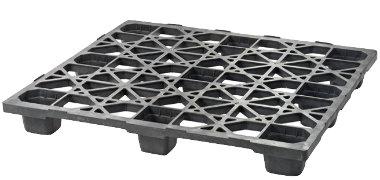
Even with proper treatment of wood pallets, or exempt plywood pallets, you are still at the mercy of the import country inspectors. Stories abound of paperwork issues, missing HT stamps, illegible HT stamps, etc. For that reason, some companies use plastic, corrugated, or steel pallets that are clearly free of pests and exempt from ISPM-15 regulations.
If a unit load is non ISPM-15 compliant, it is usually detained in the receiving country. This means the cost and time needed to resolve the issue is up to the local inspector. Clearly, it is in your best interest to do your homework up front to prevent inspection issues.

An ISPM-15 stamp includes the IPPC logo, country code (US) and treatment (HT).
How to Prevent Pallet Export Issues
An ISPM-15 stamp certifies your WPM meets standards set by the International Plant Protection Convention (IPPC). Here’s how you can best prepare for exporting:
-
Use a Reputable Supplier
Make sure you are working with a reputable pallet supplier that can provide ISPM-15 certified heat-treated pallets. -
Stamp Both Sides
Make sure your wooden export pallets are clearly and properly stamped on both sides of the pallets with the ISPM-15 mark. -
Get your Paperwork in Order
Ask your pallet supplier if there are any additional regulations or paperwork required for your country of import. -
Do Not Modify your Pallet
Make sure your internal team does not modify the pallets (extra boards, crating, etc.) onsite. This invalidates the pallet stamps and will likely lead to issues at the country of import. -
Consider Wood Alternatives
Plastic is usually the alternative material of choice if you want a non-wood pallet. The cost of plastic pallets is low enough that, in some cases, they are similar to wood.
Wooden Pallets Getting Held up at the Border?
If your wooden pallets or packaging are routinely delayed by border inspectors, you already know it’s an expensive hitch to exporting. Want to eliminate the cause? Let’s connect. Tell us about your own ISPM-15 nightmare or ask questions below.