



Pallet Cost
Cost-per-Pallet vs Cost-per-Use in a Closed Loop
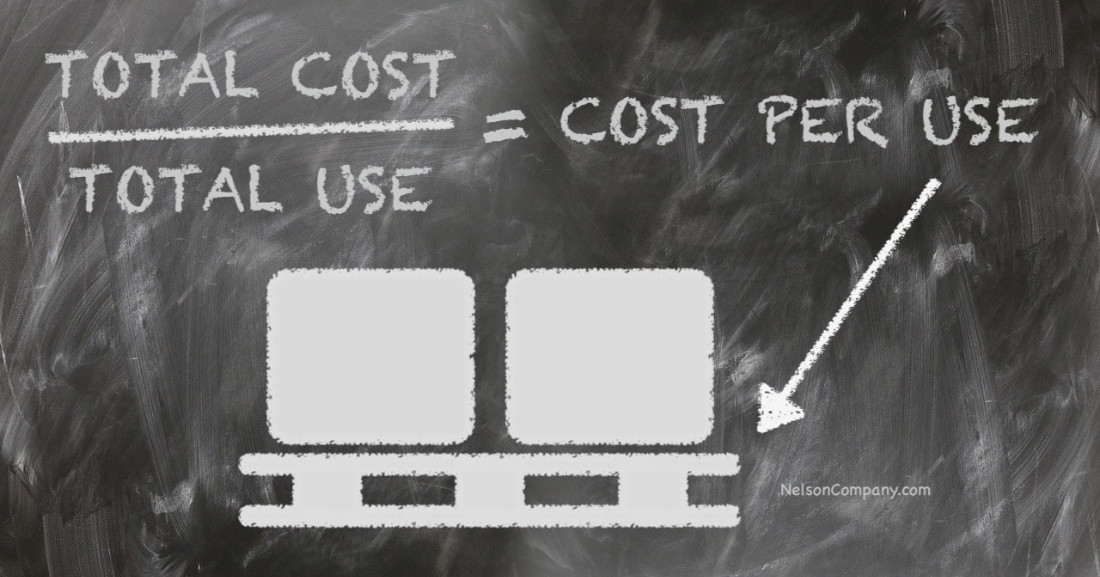
Can a more expensive pallet actually save you money and offer a sustainable choice? Calculating cost-per-use is a good place to start.
Early in my career, I was introduced to the CEO of the company that had just hired me to help make plastic pallets. “Mr. Leo” as he was affectionately called, shook my hand and welcomed me to the team. To help me get my head around what I had just gotten myself into, Mr. Leo said, “Our pallets cost a lot of money. But remember. They are the cheapest product out there!”
Plastic Pallets as an Asset
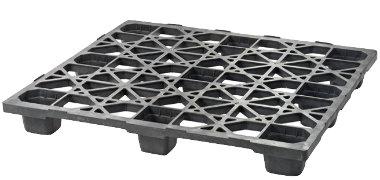
We were manufacturing a heavy-duty, virgin material plastic pallet designed to last for many years. We were up against products that cost considerably less at the time. So how did we justify what amounted to a capital investment, when the market was full of pallets that were treated as an expense item?
-
Asset Retention
Pallets that are designed to last cannot be lost or stolen. Develop a plan to retain control of your pallets. -
Documentation
Treat your pallets like the assets that they are. Count them. If you send pallets to another location, document the quantity and establish accountability. -
Communicate Expectation
Folks along the supply chain need to know the nature of the model. Let them know that a return on investment can only be achieved by keeping the pallet in service day in and day out.
Let’s Look at two Examples of Savings:
-
From $2.33 per Use to $0.15 per Use
A medium sized grocery chain (86 stores) was using wood pallets in their upstream distribution. They were using A-Grade used pallets that cost $7 each. They were getting 3 uses per pallet before they had to be taken out of service. Roughly $2.33 per use. They invested in a super durable plastic pallet that cost $69 each. They estimated the pallets moved 3 times a week and lasted a minimum of 3 years. Roughly $0.15 per use. -
Paid for itself in 1 Year
Second example, a food grade printing outfit. The plant printed everything from cereal boxes to french fry sleeves. Wood pallets were being used to ferry material around the plant from one process to the next. Weekly budget to keep the plant in wood pallets, roughly $2,000. The plant manager convinced his financial team to spend $50,000 on enough durable plastic pallets to do the job with the expectation that the pallets would last at least 3 years. The model paid for itself in year one, cutting the overall spend by two thirds.
Plastic Pallets and the Circular Economy
Factoring in cost-per-use, plastic pallets offer up a sustainable choice. You’ve learned how a longer lasting pallet (3 uses vs 3 years in our example above) saves money. Now consider how that durability combined with recyclability minimizes waste. That’s the formula for how plastic pallets can close the loop and support a circular economy.
The Obvious Savings are Glaring
Ready to learn more subtle ways that the right pallet can save you money with a cost-per-trip analysis? Let’s connect. While you’re at it, get advice on how to manage a closed loop pool of durable pallets for an environmentally-friendly solution. Tell us about the pallets currently in your closed loop environment or ask questions below.