
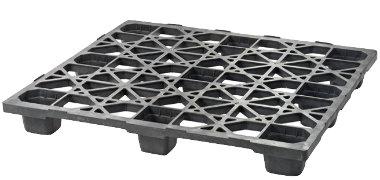
Find the right plastic pallet

Pick just 1 or mix and match any options below to begin your search.

Application use case

Export
One-Way
Multi-Trip
Warehouse
Bulk Bag
Pharma
FDA Blue

Condition

Size inches

42×42 43×43 45×45 48×32 48×40 48×45 48×48 56×44 Other…

Style structure and storage type

Nestable Stackable Rackable

Load Rating pounds (optional)

Dynamic

Weight supported in motion (forklift, pallet jack, conveyor).

1,200 – 4,000Over 4,000
Static

Weight supported at rest (or bottom pallet when stacked 2–3 high).

Up to 3,5003,500 – 8,0008,000 – 18,000Over 18,000
Racking

Weight supported in unsupported rack (edge racking).

Up to 1,5001,500–2,800Over 2,800
Looking for wood pallets?  ·  Looking for more filters? — match Clear all

Request a Match

A few quick taps and we'll match it.

Tell us a little about the job, drop your details, and a Nelson rep takes it from there — matching the best available stock, new or used, from the closest warehouse.

A few quick questions

Plastic or wood pallet?
Wood Plastic
Load dims & weight (inches / lbs)
What's going on the pallet?
Siding / roofingRolls / reelsHigh-value equipmentIrregular / oversized itemsOther
Where is it going?
In-house / warehouseDomestic shippingExport overseasCold / freezer
Equipment used? (select all that apply)
Supported RackUnsupported RackForkliftPallet jackRiders / WalkiesConveyorPalletizer
How many?
Under 100100–500500–1,0001,000+
How often?
1 TimeRecurring
Anything else?

Where to send the match

No commitment — this starts a conversation, not an order.
Wood

Shipping Process Mold

Is your shipping process at risk for mold?

Your shipping process might not be safe from mold.
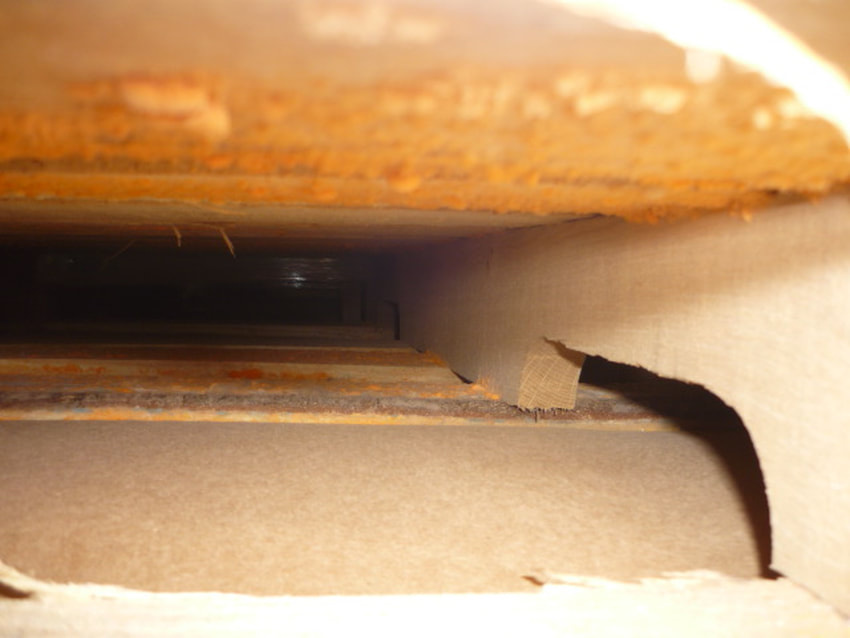
Wooden pallet with mold
Detecting mold on wood pallets is not always obvious due to varying colors and textures of mold.

Every customer has unique environments within their shipping process that can cause mold growth. In this post, we’ll give particular focus to a little something called container rain and the associated risks for mold when shipping pallets in containers.

Unique Environments Invite Mold

First, the good news. Not all pallets damaged by mold are ruined. But, if your company’s shipping protocols do not address the four issues listed below, then you’re giving mold the opportunity to be a problem.

Four factors contribute to mold growth on wood pallets:

  1. Food source
  2. Oxygen
  3. Moisture
  4. Temperature

Pallet Mold Found in Sea Containers

When green pallets are closed up in a sea container for weeks, mold can grow rapidly. There is even a phenomenon called “container rain”. Container rain occurs when water drips from the ceiling of the sea container.

The excess water is caused by moisture that gets trapped inside the container as temperatures in the container rise. Condensation forms and water drips down on the product and the pallet. To combat this problem, many companies use desiccants (substances known to sustain dryness) inside containers to limit excess moisture and mold growth.

While there will almost always be loss associated with mold, there’s still hope. With proper treatment, saving moldy wood pallets is possible.

Wondering which area of your shipping process is most vulnerable to mold? Let’s connect. We can help you understand the risks for your product and packaging.