



Reduce Costs
Reduce Packaging Costs with Reverse Distribution
Closing the loop in your distribution chain can save 10%-50%
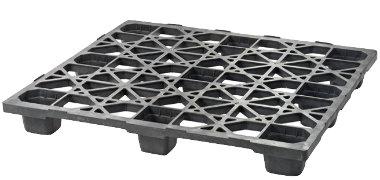
When it comes to moving product, manufacturers are in a pickle. Pallets are in short supply. Prices are up. Packaging of every kind is being impacted by current market conditions.
Reverse distribution can help by keeping you in a consistent supply of all packaging assets. Find out if it will work for you.
Getting Started with Reverse Distribution
Reverse distribution starts at the end of your supply chain. Moving backwards, a logistics expert will reverse map all flows of your supply chain back to the point of origin. Opportunities at any point within your system are identified for returning packaging to use again.
To put it more simply, think of reverse distribution as a packaging return program. You may have also heard of similar terms such as reverse logistics or pallet pooling. No matter what you call it, the goal is the same: control.
It’s all about Control
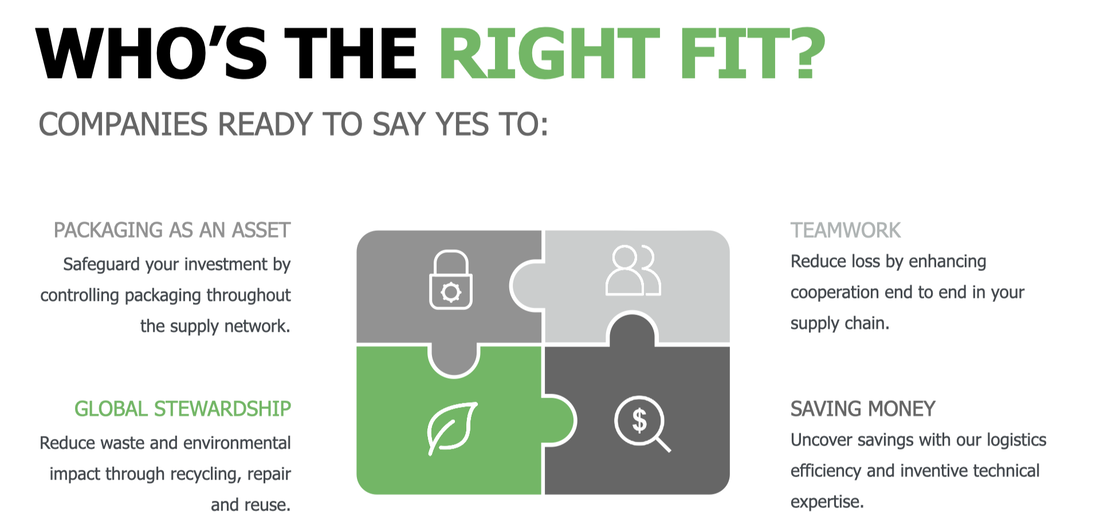
A reverse distribution program works by minimizing waste and increasing end-to-end visibility. By closing the loop and shifting packaging from an expense to an asset you can better:
-
Control Costs
Tap into your logistic partner’s network for the best value in warehousing, transportation and repair services. -
Control Risk
Protect your packaging assets and maximize recovery value with a customized recovery program. -
Control Inventory
Always know the location of your packaging assets in (near) real time with technology like our own Nelson-ART.
Future-Proof Against Disruption
The resilience of your supply chain relies on anticipating the next threat. Both wooden and plastic pallets hit snags with raw material supply issues. So did paper and cardboard packaging. Heck, even Kosher dills are still at the mercy of a glass jar shortage.
What can you do now? That’s easy. Look for control opportunities. Let’s connect today for a brief discussion to find out more about risk assessment and reverse distribution.